

Recent research highlights low certainty in sleep interventions for fibromyalgia, yet exercise shows promise in improving sleep quality.

Victoria Johnson joined the MJH Life Sciences in 2020 and has written for NeurologyLive, CGTLive, and now HCPLive and RheumatologyLive. You can reach her at vjohnson@mjhlifesciences.com
Recent research highlights low certainty in sleep interventions for fibromyalgia, yet exercise shows promise in improving sleep quality.

New findings refine neuropathic pain treatment guidelines, emphasizing effective medications and the importance of personalized care for improved patient outcomes.

Ten percent of effector genes identified express proteins targeted by approved drugs across disease fields.
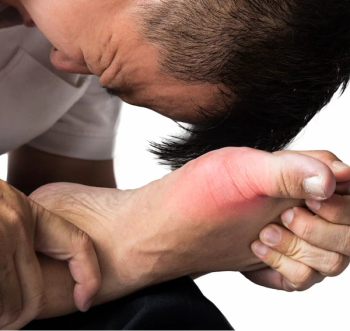
Febuxostat was associated with a nearly 3-fold higher risk of mild to moderate perturbation of liver function than benzbromarone.

Participants experienced significant improvements in pain, sleep, and physical function.

Significant associations were seen in males, Mexican Americans, married individuals, those with insufficient physical activity, and those with diabetes.

People with ME/CFS also have a high comorbidity rate of fibromyalgia, which has also been seen to improve with aquatic exercise.

More studies are needed to assess whether creatinine or and hyperuricemia may be prognostic factors for these patients.

After a primary analysis revealed no significant differences in pain, exploratory outcomes in the FINAL trial also revealed no significant findings.

Our Q1 2025 recap for rheumatology spotlights 5 regulatory updates, 5 key trial announcements, and top expert perspectives in rheumatology care.
The rheumatology month in review emphasizes new research in gout, fibromyalgia, and psoriatic arthritis.

The rheumatology month in review emphasizes new research in gout, fibromyalgia, and psoriatic arthritis.

This FDA News Month in Review provides a round-up of regulatory decisions from March 2025.
By 3 months, nearly all patients confirmed exposed to 30 or 60 mg SAP-001 reached serum uric acid levels below 6mg/dL.
Small but significant decreases were also seen in depression and anxiety scores in people with and without psoriatic arthritis.

Hazard ratios of MACE were similar between patients treated with ustekinumab, adalimumab, etanercept, and secukinumab.

Other risk factors in the population included PZA or ETB use, hypertension, heart failure, and chronic kidney disease.

The two treatments appeared to be similar in cost-effectiveness and efficacy in a small analysis.

Analgesic effects lasted up to week 8 while function improvements lasted until week 16 in a new randomized, controlled trial.
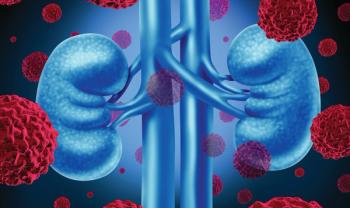
MCP-1 and OPN combined had an AUC of 0.938 in diagnosing early renal injury.

Geraniol, linalool or α-humulene elevated mechanical thresholds in a time-dependent fashion in mice models of pain.
XORTX is meeting with the FDA in a Type B meeting regarding a potential NDA for XORLO.

Women, younger patients, and those with fibromyalgia were at particular risk of anxiety and depression, a new analysis shows.

A newly passed bill permits 2.8% Medicare physician payment cuts.

The rheumatology month in review emphasizes new research in gout, fibromyalgia, and lupus.

The biosimilars are expected to become available in the US in June 2025.

Mease discussed the expanding treatment landscape for PsA and how the field is integrating new biologics.

Furie discussed topline data from the REGENCY trial and key secondary endpoints.
Furie discussed his experiences in evaluating therapies such as rituximab and now obinutuzumab for lupus nephritis.

The Phase 2b RENOIR trial met its primary endpoint and key secondary endpoints in patients with RA in new 12-week data.