

Belimumab (Benlysta, GlaxoSmithKline) can improve the kidney health of people with lupus nephritis, a new phase 3 clinical trial suggests.
Belimumab (Benlysta, GlaxoSmithKline) can improve the kidney health of people with lupus nephritis, a new phase 3 clinical trial suggests.

In women 50 years of age or older, the risk of atypical femur fracture increased with longer bisphosphonate use, Asian ancestry, shorter height, higher weight and glucocorticoid use for one year or more, but this risk rapidly decreased after bisphosphonate discontinuation, according to a study recently published in New England Journal of Medicine.

The assessed sickle cell population had high rates of low vitamin D levels and bone marrow density, but there was no strong correlation between both conditions.

Despite major advances in axial spondyloarthritis and an increasing number of therapeutic options, questions remain related to the optimized treatment strategies and to the individual drug choice, according to a review published in Current Rheumatology Reports.
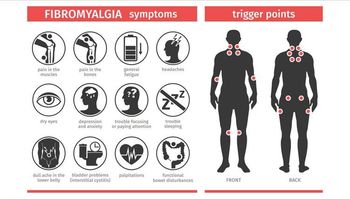
Patients with fibromyalgia syndrome may present with elevated intramuscular pressure, which might represent a diagnostic aid in fibromyalgia syndrome and a target for treatment to reduce muscle pressure, according to a study recently published in The Journal of Rheumatology.

In patients with acute gout, cyclo-oxygenase-2 (COX-2) inhibitors, especially etoricoxib (Arcoxia, Merck & Co.), may result in a greater clinical response than traditional non-steroidal anti-inflammatory drugs (NSAIDs), according to a study published in BMJ Open.

In juvenile idiopathic arthritis, predictive genomic risk scores may enhance current diagnosis protocols, prioritizing higher-risk patients for follow-up and reducing treatment delays, according to a study published this month in Annals of Rheumatic Diseases.

An analysis of data from 4 decades offers insight into the impact of treatment advances and changes in risk factor management on incidence of hip fracture.
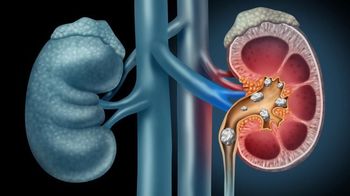
Dapagliflozin (Farxiga, AstraZeneca) has been granted breakthrough therapy designation by the U.S. Food and Drug Administration for patients with chronic kidney disease with and without type 2 diabetes. It is currently approved as a treatment to improve glycemic control in adults with type 2 diabetes.

Researchers writing in JAMA Dermatology report that latent tuberculosis infection previously assumed to be an adverse event as a result of treatment with secukinumab, is actually uncommon in patients with chronic systemic inflammatory conditions.

Golimumab (Simponi Aria, Janssen/J&J) has been approved by the U.S. Food and Drug Administration for two pediatric conditions:active pediatric juvenile idiopathic arthritis (JIA) and active pediatric psoriatic arthritis.

Preoperative knee extensor muscle strength training in patients with knee osteoarthritis may have no clinical effect on total knee arthroplasty (TKA), according to a systematic review published online this month in Osteoarthritis and Cartilage.

This approval makes the drug the first of its kind to treat polyarticular juvenile idiopathic arthritis and psoriatic arthritis in a pediatric population.

The U.S. Food and Drug Administration has approved tofacitinib Xeljanz, Pfizer) for the treatment of children and adolescents two years and older with active polyarticular course juvenile idiopathic arthritis (pcJIA).

Autologous hematopoietic stem cell transplants (AHSCT) improve the quality of life in patients with systemic sclerosis (SSc), researchers say.

Various drug therapies, including several cytokine blockers, are showing promise in addressing COVID-19 related cytokine storm syndrome, says Dr. Randall Cron of Children’s Hospital of Alabama.

Type I Interferon Inhibition Could Benefit Systemic Lupus Erythematosus

The approval of tocilizumab for giant cell arteritis as a glucocorticoid-sparing treatment is the most significant development in the management of this condition over the past four years, a review of the literature suggests.

Some drugs used to treat lupus and other connective tissue diseases have been shown to increase cardiovascular risks. Even so, those drugs remain effective in addressing disease symptoms, and a leading rheumatology researcher has suggested that concerns may not be fully warranted.

New algorithms and more combination therapeutics are part of the future of psoriatic arthritis care. That’s according to Arthur Kavanaugh, M.D., a rheumatologist with UC San Diego Health who recently presented at the Congress of Clinical Rheumatology East annual meeting held this month.

Black patients with knee osteoarthritis have worse outcomes than their white counterparts, shows a new study.

Cognitive impairment can be an ongoing issue for patients with rheumatic disease, such as lupus. A proper diagnosis includes a battery of tests, says Noa Shwartz, M.D., a physician-researcher with Albert Einstein College of Medicine in New York.

Simultaneous use of more than one drug is gaining traction as a treatment strategy for severe lupus symptoms, particularly in people with chronic kidney disease.

Adherence to a Mediterranean diet is associated with improved musculoskeletal health and fewer falls, according to study data presented at the American Society for Bone and Mineral Research (ASBMR) annual meeting held earlier this month.

Low-dose oral glucocorticoid therapy increases only vertebral fracture risk in rheumatoid arthritis patients, a study shows.

Findings indicate placebo responses are more than a psychological placebo effect.

An expert discusses the difficulties in diagnosing and managing myositis, as well as how the COVID-19 pandemic has affected clinical care.

ASBMR
Low levels of osteocalcin are associated with an increased risk of diabetes in patients treated with glucocorticoids, according to a study presented on Sept. 11 at the American Society for Bone and Mineral Research (ASBMR) annual meeting which wrapped this week as a virtual meeting.

ASBMR
Improving vitamin D status might decrease the risk of developing severe respiratory distress and death in COVID-19 cases, shows an observational study presented September 11 at the American Society for Bone and Mineral Research (ASBMR) which was held virtually this week.

ASBMR
Bisphosphonate use, especially for more than five years, is associated with an increased risk of atypical femoral fractures, but this risk falls considerably after discontinuation, according to a Nationwide Danish an analysis and review presented on September 13 at the American Society for Bone and Mineral Research (ASBMR) annual meeting which was held virtually.